
The Truth About AstraZeneca
We must value the truth more than our narratives
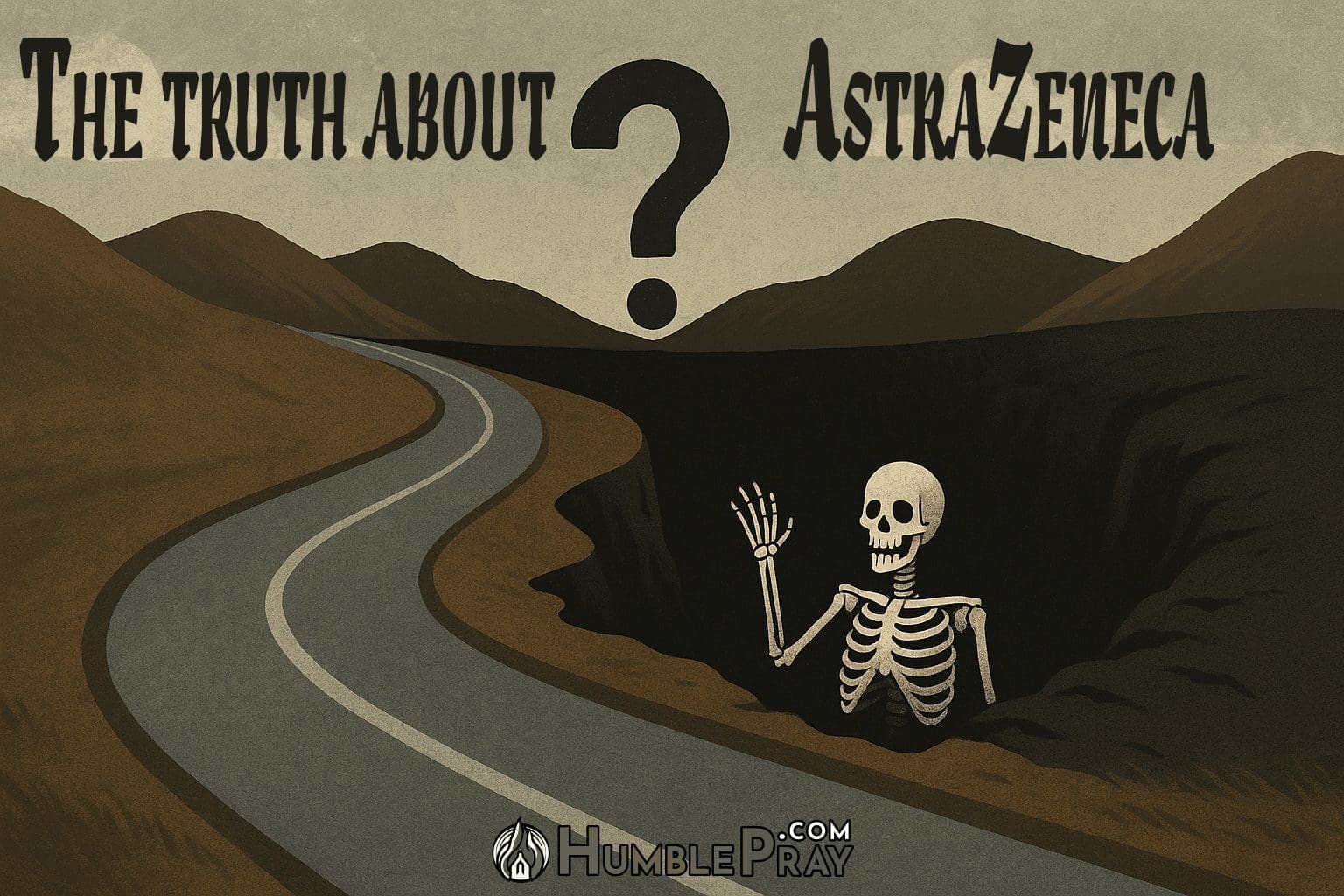
Every few months, another meme circulates claiming that AstraZeneca means “a road to death” in Latin. It doesn’t. Not even close.
Let’s look at what’s actually happening. And just to be clear—this information wasn’t hidden. It took me less than a minute to look it up.
Not Even Latin
The phrase “A stra ze neca” is not Latin. In fact, some of the segments—like “ze”—look unusual or exotic but are simply gibberish in Latin. All the letters in “AstraZeneca” are from the Latin alphabet, but the arrangement has no grammatical or semantic meaning in Latin. It’s just a modern brand name broken apart to look ominous.

Google Translate is guessing—matching it to via ad mortem, which does mean “a road to death.” But it’s a stretch, and a bad one. Google Translate behaves this way because it tries to interpret unfamiliar phrases by matching them to the closest possible known words or roots. It’s designed to handle typos, misspellings, or phonetic approximations—so when it encounters a made-up term like “astrazeneca,” it stretches for anything remotely similar in the target language. That’s not translation; it’s educated guessing, and in this case, it’s wrong. This is how people end up sharing sensational claims based on machine-generated guesses—it looks plausible until you slow down and examine it.
When you click on the translation, Google shows the real Latin: via ad mortem. The phrase ad mortem (“to death”) is recognizable even to those with little Latin knowledge. The term neca isn’t Latin and certainly isn’t the word for “death.” That would be mortem, as in post mortem (“after death”).
AstraZeneca’s Less Dramatic Origin
The name AstraZeneca has a documented origin. It was formed on April 6, 1999, as a merger between two pharmaceutical companies: Astra AB, founded in Sweden in 1913, and Zeneca Group, a British company formed in 1993. “Astra” comes from the Greek word for “star.” “Zeneca” was a coined brand name—a made-up word chosen by a branding agency for its sound, not its meaning.
Logically, these companies were created in different countries, nearly a century apart. For the name AstraZeneca to have always meant “a road to death” would require a truly cartoonish level of conspiracy planning: anticipating a global merger decades in advance, in two unrelated countries, all to embed a cryptic message in a language that neither company used. It makes for a dramatic meme, but it defies all common sense.
Truth Bearers
That doesn’t mean AstraZeneca is above criticism. The pharmaceutical industry has been responsible for genuine harm and deception, especially in its handling of COVID-19. But this is exactly why we must apply greater scrutiny when we critique them. If we are wrong, we compromise both our credibility and our witness—not only against them, but for the gospel.
“A trustworthy witness will not lie, But a false witness utters lies.” — Proverbs 14:5, LSB
The excuse, “Well, they lied about COVID,” is not a defense for spreading rumors. It only carries weight with those who already agree with us. That kind of flippancy undermines our credibility—not just on matters of medicine, but on everything else we say, including the gospel. Is our quickness to slander worth compromising our witness?
Our witness is not just about avoiding falsehoods; it’s about reflecting the character of Christ. When we repeat claims that are careless, lazy, or false, we present a distorted image of the truth to a watching world. We become like the boy who cried wolf—and when we finally speak something that truly matters, no one will listen. Worse, we risk making the gospel appear to be just another tribal narrative, no more trustworthy than the rest.
Coram Diem
Truth is not a side issue. It is central to the gospel itself. Jesus is not merely truthful—He is the Truth (John 14:6). To love Him is to love the truth, and to reject falsehood even when it is popular or useful.
“Buy truth, and do not sell it, Get wisdom, and discipline, and understanding.”
— Proverbs 23:23, LSB“Therefore, laying aside falsehood, speak truth each one of you with his neighbor, because we are members of one another.”
— Ephesians 4:25, LSB
If Jesus is Truth (John 14:6), then truth should matter more than the narrative we want to push. Whether the issue is theology, medicine, or media, we must be known as people who seek, speak, and stand on the truth—even when it’s inconvenient.